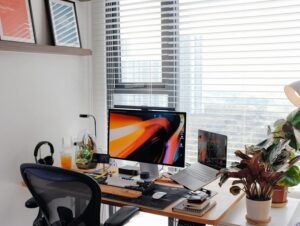
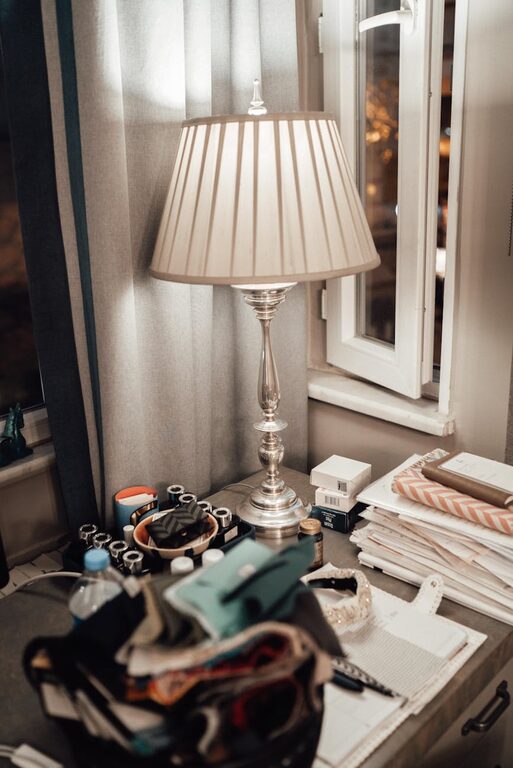
Creating a cozy and functional home office space can greatly improve your productivity and overall well-being. Whether you work from home full time or just need a quiet corner for occasional tasks, designing a space that feels inviting yet efficient makes all the difference. Here are practical tips and ideas to help you build a home office that supports both comfort and focus.
1. Choose the Right Location
Consider natural light
Pick a spot with plenty of natural light if possible. Sunlight boosts mood and energy, making your workspace brighter and more pleasant. A window nearby also offers a refreshing outdoor view during breaks.
Minimise distractions
Avoid placing your office in high-traffic areas of your home. Choose a quiet corner or separate room where you can focus without interruptions from family members, pets, or household noise.
2. Invest in Comfortable Furniture
Ergonomic chair
A comfortable, supportive chair is essential. Look for one with adjustable height, lumbar support, and good padding to prevent back pain during long working hours.
Functional desk
Select a desk that fits your space and needs. It should provide enough surface area for your computer, notebooks, and other essentials without feeling cluttered. Adjustable desks that allow sitting and standing can add flexibility and health benefits.
3. Focus on Organisation and Storage
Use shelves and drawers
Keep your workspace tidy by using shelves, filing cabinets, or drawer units. Organising documents, office supplies, and equipment neatly reduces clutter and helps you find what you need quickly.
Desk organisers
Small trays, pen cups, and cable management tools keep frequently used items within reach and prevent messes on your desktop surface.
4. Personalise Your Space
Add cosy touches
Soft rugs, cushions, and blankets can make your office space feel warm and inviting. These elements add texture and comfort, especially in cooler months.
Incorporate plants
Indoor plants boost air quality and add a touch of nature. Even a small succulent or spider plant can brighten your desk and create a calming environment.
Display meaningful items
Photos, artwork, or inspirational quotes can motivate and personalise your workspace. Be mindful not to overcrowd surfaces—choose a few favourites to enhance mood without causing distractions.
5. Optimise Lighting
Layer your lighting
Use a combination of overhead lights, task lamps, and ambient lighting. Adjustable desk lamps with warm bulbs reduce eye strain and create a focused work area.
Control glare
Position screens perpendicular to windows to avoid glare and reflections. Use blinds or curtains to control brightness during the day.
6. Manage Technology Efficiently
Invest in quality peripherals
A good keyboard and mouse can improve comfort, while a second monitor can increase productivity for many tasks.
Hide cables
Use cable clips, sleeves, or under-desk trays to keep wires organised and out of sight. This keeps your workspace looking tidy and reduces tripping hazards.
7. Create a Routine and Separate Work from Leisure
Set boundaries
Design your office to feel different from relaxation areas. This mental separation helps focus during work hours and allows for better downtime.
Keep your desk clean
End each day by clearing your workspace, which signals that the workday is over and prepares you for the next day.
8. Use Colour Wisely
Choose calming tones
Blues, greens, and neutral shades are known to promote calm and concentration. Avoid overly bright or distracting colours.
Accent colours for inspiration
Add pops of your favourite colour through accessories or artwork to keep the space lively and engaging.
—
By combining thoughtful design with practical features, you can create a home office that invites productivity while feeling cozy and inspiring. A well-planned workspace supports better focus, reduces stress, and makes working from home a truly pleasant experience. Start small, and gradually build your perfect office sanctuary at home!