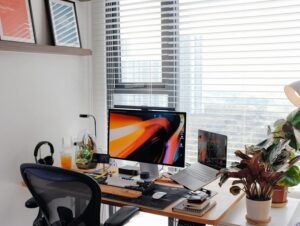
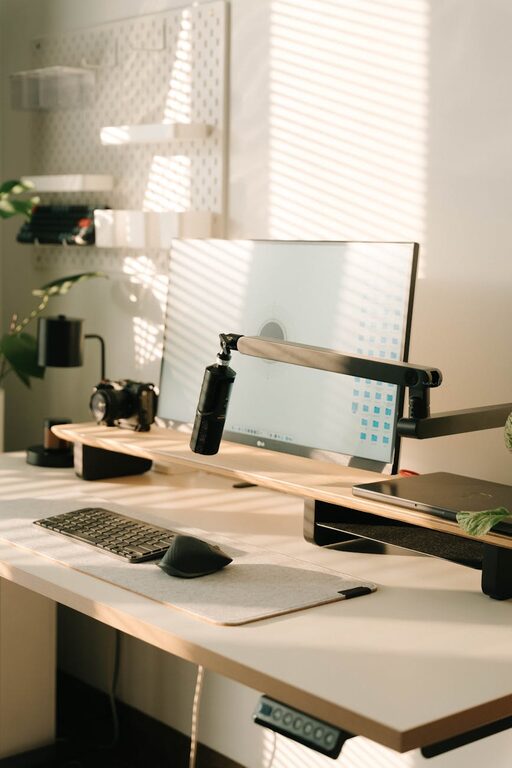
Creating a cosy and functional home office has become a priority for many who work from home or need a dedicated space for projects and study. A well-designed workspace enhances productivity and helps maintain a healthy work-life balance. Whether you have a small corner or an entire room to dedicate, these tips will guide you to create an inviting and efficient office space that suits your needs.
1. Choose the Right Location
Finding the ideal spot for your home office is the first step. A quiet area with minimal distractions is best, especially if your work requires focus or frequent calls. Consider these factors:
– Natural light: Position your desk near a window to benefit from daylight, which can improve mood and reduce eye strain.
– Away from noise: Choose a location distant from busy areas, such as the kitchen or living room.
– Space: Ensure there is enough room for your furniture and movement without feeling cramped.
2. Invest in Comfortable and Ergonomic Furniture
Comfort is key when spending hours at your desk. Invest in ergonomic furniture to avoid strain and fatigue.
– Chair: A supportive chair with adjustable height, lumbar support, and comfortable cushioning helps maintain good posture.
– Desk: Choose a desk of appropriate height and size to accommodate your work essentials.
– Options for standing: Consider a sit-stand desk or an adjustable converter to alternate between sitting and standing during the day.
3. Organize Your Workspace Efficiently
Clutter can quickly lead to distractions and stress. Aim for a clean, organised desk where everything has its place.
– Storage solutions: Use shelves, drawers, or filing cabinets to keep documents and supplies out of sight but accessible.
– Cable management: Use clips or sleeves to keep cords tidy and prevent tangling.
– Desktop accessories: Limit items on your desk to essentials only.
4. Personalise with Décor and Colours
A personalised office helps make the space inviting and motivating.
– Colours: Use calming colours like soft blues or greens to create a relaxed atmosphere, or energising tones like yellow to boost creativity.
– Decorations: Add plants, artwork, or inspirational quotes that resonate with you.
– Lighting: Beyond natural light, incorporate warm desk lamps or floor lamps to create a cosy ambiance during darker hours.
5. Ensure Proper Lighting
Good lighting reduces eye strain and maintains alertness.
– Natural light: Maximise daylight by placing your desk near windows, but use blinds or curtains to control glare.
– Task lighting: A dedicated desk lamp with adjustable brightness helps illuminate documents and keyboard.
– Ambient lighting: Use overhead or floor lamps to evenly light the room.
6. Minimise Distractions
Creating boundaries in your workspace can increase focus.
– Noise control: Use noise-cancelling headphones or soft background music to mask ambient noise.
– Separate work from leisure items: Avoid mixing work equipment with entertainment devices.
– Set clear work hours: Communicate your schedule with household members to reduce interruptions.
7. Include Practical Technology and Accessories
Ensure your tech setup fits your workflow and keeps you connected.
– Reliable internet: A strong Wi-Fi connection or wired Ethernet ensures smooth communication.
– Monitor and keyboard: Use a larger screen and an ergonomic keyboard to improve comfort and efficiency.
– Accessories: Mouse pads with wrist support, document holders, and cable organizers can enhance usability.
8. Keep Your Space Fresh and Inviting
The atmosphere can impact productivity and well-being.
– Regular cleaning: Make time to tidy and clean your office regularly.
– Air quality: Open windows when possible or use air purifiers to keep fresh air circulating.
– Comfort items: Consider a small blanket, cushion, or footrest for added comfort.
Conclusion
Creating a cosy and functional home office is about balancing comfort and practicality. By selecting the right location, investing in ergonomic furniture, organising efficiently, and personalising the space, you can build an environment that supports your best work. Remember to prioritise lighting, minimise distractions, stay organised, and add touches that make the space uniquely yours.
With these tips, working from home can be productive, enjoyable, and something to look forward to every day. Happy designing!